Invisalign
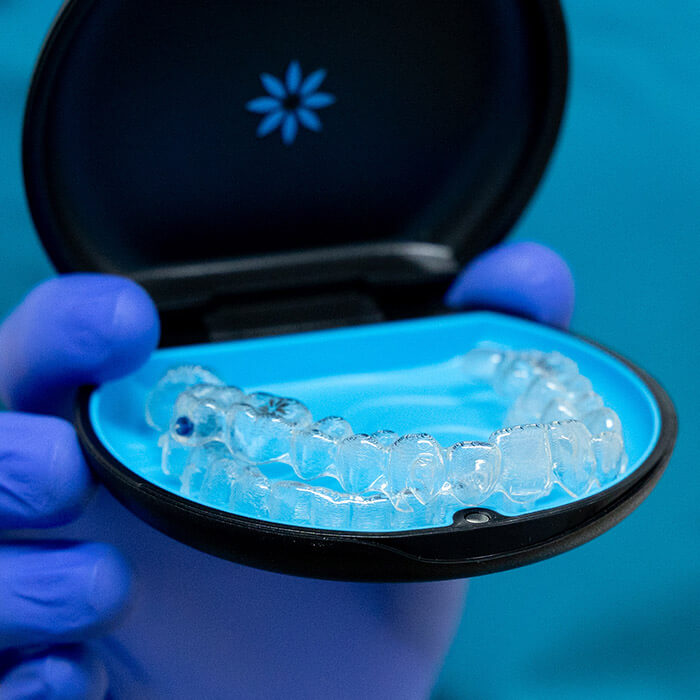
Trusted by millions of patients around the world, Invisalign is a clear aligner system that can align your bite and teeth without the need for braces. Book your consultation today with our state of the art 3D scanning system.
Why
Why Should I get Invisalign?
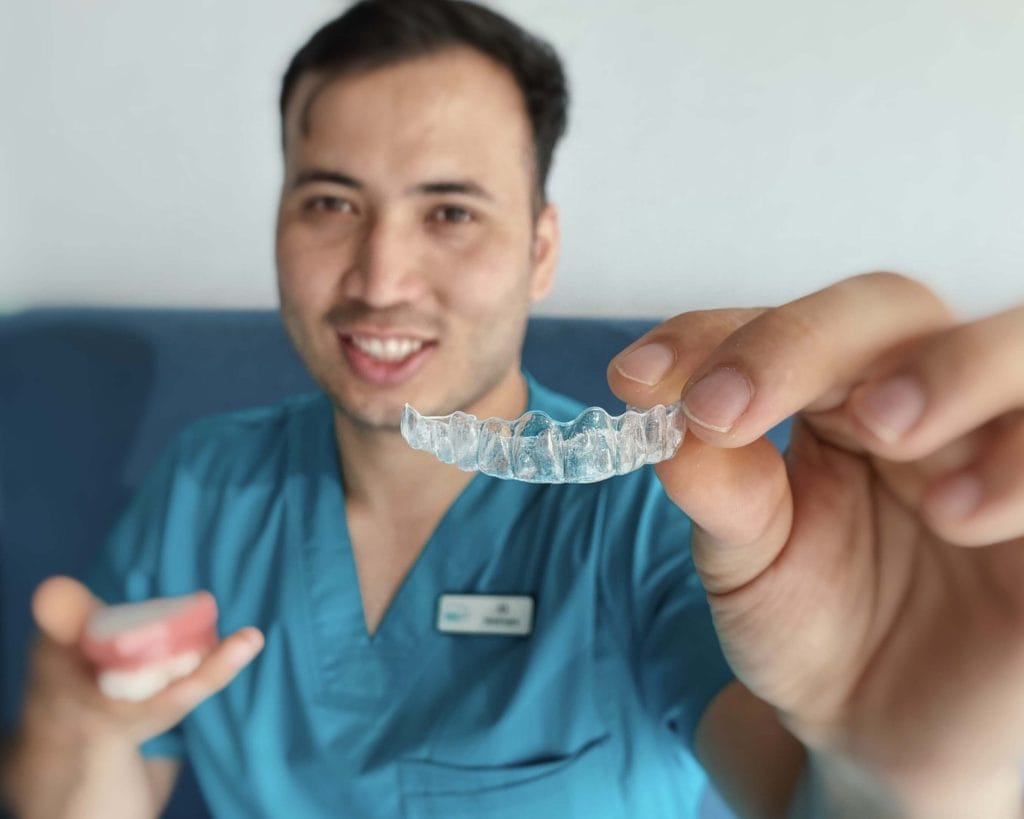
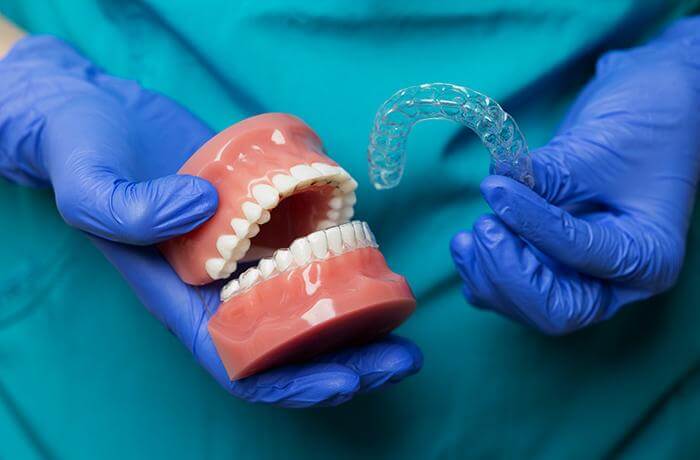
Invisalign is an alternative to traditional braces for aligning the bite, jaw or teeth. Instead of brackets and wires on the teeth, Invisalign is a series of custom moulded aligners that are changed over time to move the teeth. Invisalign aligners are the most visually appealing option for patients during treatment with the added bonus of being able to remove the aligners for eating or short periods (aligners should be worn as often as possible). This is a popular option with adults that don’t want braces.
- Trusted by 18 million patients around the world
- A popular discreet option to align your teeth without braces or wires
- The option to remove your aligners for special events, corporate meetings or gatherings
- An established system with a proven track record of getting results, especially in adult patients
Cost
How Much Does Invisalign Cost?
Invisalign treatment is broken up into stages, at each stage a new clear aligner mould is created that slowly pushes the teeth into alignment. At your first consultation our Specialist Orthodontist will do a scan of your mouth and determine your treatment plan. Each patient and treatment plan is unique to that patient. If you want to find out the cost of Invisalign book a consultation today.
- Gap free consultations with our Orthodontic specialists
- Customised treatment plan with clear pricing
- Payment plans available
- Budget friendly Orthodontic treatment options available
PLANS
Payment Plans for Braces
We have partnered with OrthoPay to offer monthly payment plans for all of our orthodontic services. We understand that not all patients can pay for orthodontic treatment upfront and we want to make our treatment accessible. Our payment plans are backed by The Commonwealth Bank of Australia for security and peace of mind.
- $0 upfront costs*
- No deposit required
- 0% interest
- No hidden costs
Included
What is Included In My Invisalign Treatment?
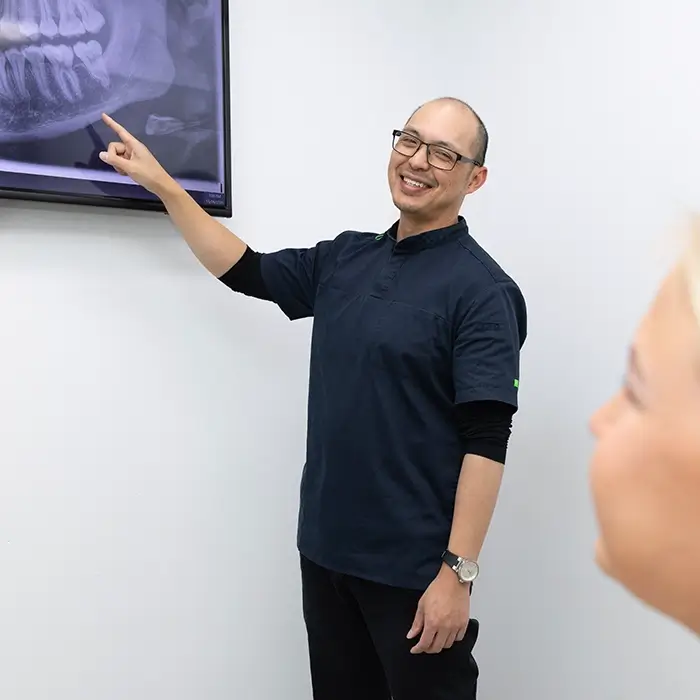
Treatment starts with a consultation with our Specialist Orthodontist who will conduct a comprehensive assessment of your jaw and smile. They will use our cutting edge iTero 3D scanning system to scan your mouth and in real time show what your smile could look like. The Orthodontist will prepare a personalised treatment plan that will outline the treatment schedule and quote. After your treatment is complete we provide 2 years of aftercare support to make sure you keep your new smile.
- iTero 3D scan to create your clear aligners and show the adjustment
- Appointments every 8-10 weeks for reviews and adjustments to your aligners
- Free repairs and/or replacements of your aligners and attachments
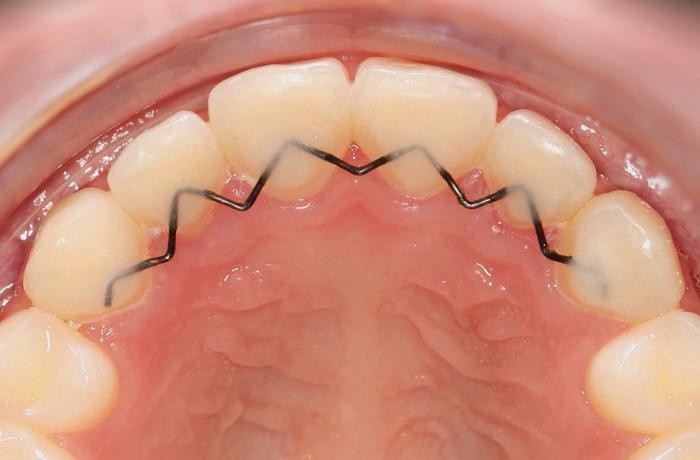
- Upper and lower fixed wire retainer at the end to secure your smile
- Custom made clear nighttime retainer to maintain your results
- 24 months of guided aftercare

FAQ
Frequently Asked Questions (FAQ)
Unlike braces, Invisalign is a type of clear aligner that is created from custom moulds of your mouth. At the initial consultation our Specialist Orthodontist will take scans and determine how the teeth and jaw should be aligned. Then that movement is broken down into stages where different moulds of aligners will be created. Each set of aligners is slightly different and will slowly move the teeth into place. After the teeth have been re-aligned at the end of treatment you will be given retainers to keep your smile.
Invisalign uses multiple custom moulded clear aligners in stages to move your teeth into position. Braces use metal brackets attached to the teeth and wires under tension to move your teeth to the desired position. Invisalign is more aesthetic and can be removed but costs more money and can’t be used on complex cases. Metal braces are the most cost effective, fastest method and can be used on all orthodontic cases.
We will provide you everything you need as well as the instructions to clean your retainers. It’s very important the retainers are kept clean and are taken out before consuming food.
At each stage of your treatment with a new aligner you may feel uncomfortable as your teeth get used to the new position. But this passes quickly and Invisalign is the least invasive option compared to braces.
Invisalign has a unique advantage over traditional braces, you can take your aligners out to consume food or for short periods. To get the most out of your treatment the aligners should be worn as often as possible. The aligners should be taken out for food and could be taken out for a public speaking event for example. This means that most foods are fine to eat as long as they don’t leave a sticky residue on your teeth.
All patients and treatments are different, your personalised treatment plan during your consultation will outline the assumed timeline for treatment. The orthodontist will run you through the schedule of aligners and appointments for full treatment. This can change over time as some teeth are easier or harder to move than others.